Samantha Humphreys

Art, Photography, Inspiration & Education

The story of how I wrote a really long post and it didn’t save……
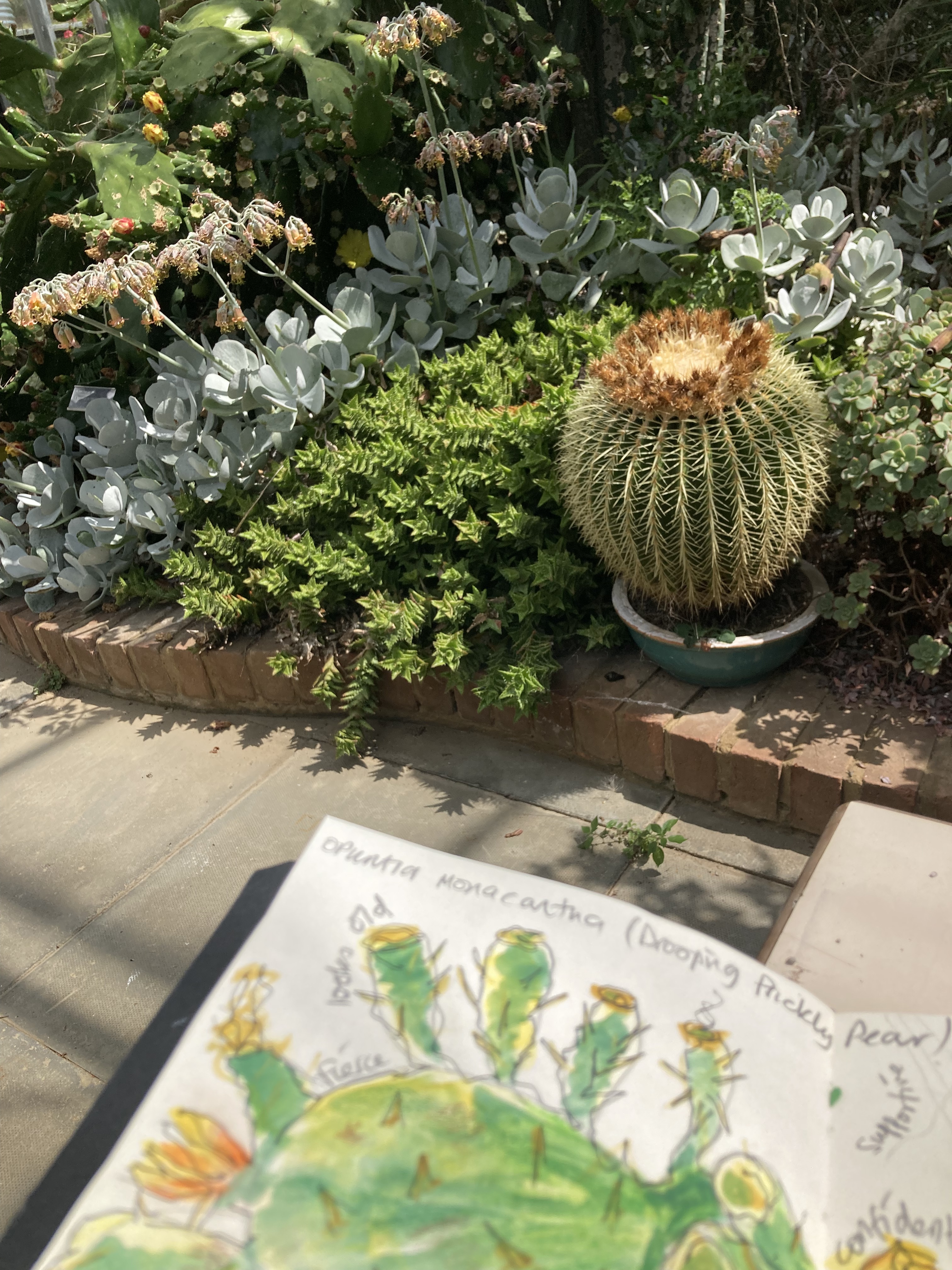
Frustratingly, I spent the best part of an hour composing a post about my Art for Wellbeing class yesterday, the plant I chose to draw and study and how it led me to make comparisons to how we develop as humans. I decided that, fate must have decided that it was too long winded and I need to get to the point a whole lot faster because life is too short for unnecessary words!

So you know when you want to ask an older child what their future intentions are, it’s a little awkward asking the patronising question ‘what do you want to be when you grow up?’ . What else could we say without it sounding too formal, final and, for want of a better word, ‘triggering’? But why do we put pressure on humans to ‘grow up’ anyway? The idea of growing up or being grown up has a finality about it that kind of implies that you fully understand how you should approach adulthood and done with learning because you know everything. Can you see how ridiculous that is when written down?

My chosen plant, known as a Drooping Prickly Pear, has so many visible life experiences which was how I came to follow this train of thought. It has both weathered areas, yet is still sprouting new blooms and pads. As people, we are placed under so much pressure to make decisions, as though there is no time after their years of school to decide based on their current circumstances and abilities. Also, we do not learn and grow at the same rate as our peers, or in the same areas of life. Maybe we should instead be asking children at age 14, ‘what do you want to learn next’ (notice I say learn, not achieve). Then the same question can be asked year after year until, as confident young adults they can be asking themselves. The magnificent Drooping Prickly Pear will continue to develop and grow throughout its 20 years or so of life as will its companions in the glasshouse, but they will not reach full development ever-because, there is no such thing as completely developed in living things.

That was considerably shorter and better!

Finding my way

I struggled to title this post, each title I gave it, I deleted immediately as it was a bad cliche and I winced while reading it back. In a nutshell, and I feel a little emotional while writing this, I have spent some years since completing my Masters in Art & Design and Post Grad Cert in Higher Ed Practice developing my love for teaching art. I have had the pleasure of nurturing learning journeys of students from young to not so young, but who are still as inspired and passionate about learning creativity as each other. 
At the heart of everything I do runs a thread of environmental concerns and an interest in how being actively creative can strengthen mental health and general wellbeing. 

As I have moved away from teaching in formal education but still find joy in thinking of ideas and planning for learning, (which I know some people find strange, that I enjoy planning lessons, I enjoy marking too but thats another story) I have spent some time collating the many lessons and workshops I have taught in various settings and built a portfolio of workshops, lessons and activities which I will sell to art teachers, tutors and lecturers on my new relaunched Etsy Shop, Studio Sam Humphreys . This, along with my private teaching and tuition is how I have found and will complete my new teaching pathway. Exciting times.

Wild garlic

IMG_3600 IMG_3640

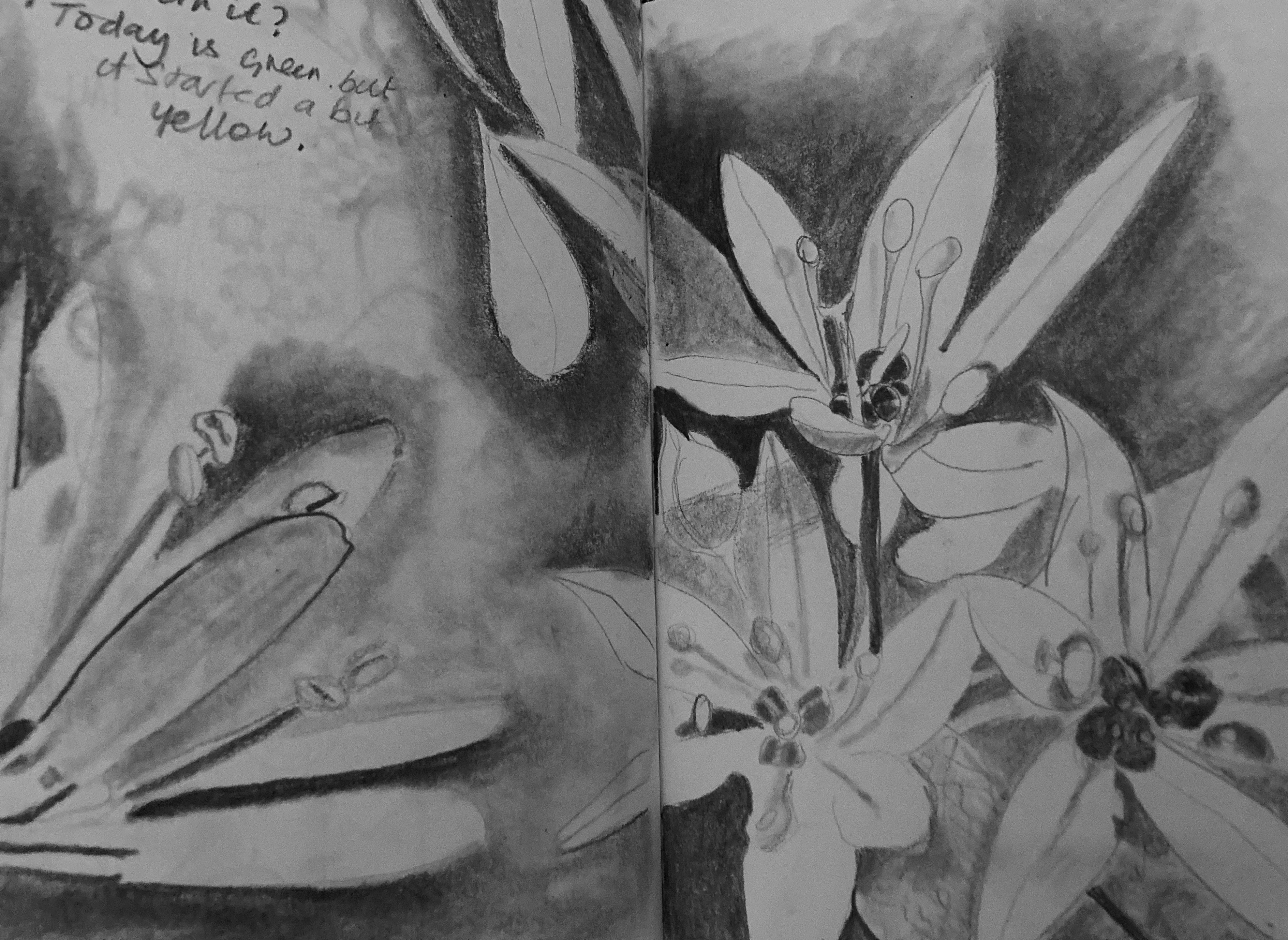
The other day I was walking through a forest and the wild garlic was out in full bloom, the smell was divine! Each year I have the same thoughts, can I pick this? Can I cook with it? I must find out when I get home, then I forget all about it. I documented it in my journal so I wouldn’t forget, about it which means that I have looked up the answers to my questions and plan on cooking something delicious next week, garlic bread perhaps, nothing too ambitious! 

Turquoise with Threads of Black

IMG_3670

Turquoise with Threads of Black (2024) #366 series no.113

I have been keeping a creative journal since last summer, I have only really made the effort to keep it up since the start of this year. The process of journalling along with my 366 project are pushing my brain to reflect as a matter of course and recognise things about what I am thinking and feeling in a way I never have before. I have various themes running through my journal which is largely driven by my daily walks that I take for wellbeing, circles, colour theories (my own as well as established), trees, artist tools and zentangles….and I will probably think of more as I continue on through the rest of the book.

366

I don’t make new year’s resolutions as I don’t really believe they work. However, I have neglected my art practice over the past year, so January the first seemed a good time to remedy this. In this year, a leap year, I will be creating a postcard for each day.

2024 will also be a year of change for me, as was last year, but this year I aim to be more in control of the changes and they will be positive changes. I will be taking more care of my health and wellbeing which has been somewhat erratic in the latter part of 2023. The 366 project will serve as a form of documentation of the year to come.

Miles, Minutes & Steps

Creativity takes courage. ”Henri Matisse”

IMG_0168

I have started a new job this week, I am going to be learning how to translate what I have learned as a University College lecturer into what is required of me to teach in a school. It is a lot to learn, I will have to think quicker and ‘do’ faster and If that isnt scary enough, I was used to a wellbeing routine, early morning walks full of rich green-ness and tranquility that started my day off whatever lay ahead. That has all turned a little chaotic and I need to find a way to develop a new routine, I need that walk infused into the start of the day. I already wake at the crack of dawn and I find that while I’m thinking all this, inside my head is like a roladex that flips round and round and I can’t quite grasp the visual and exciting ideas that whizz past at too fast a pace….Breathe…

…Today, I decided that what I must do, while my routine develops organically, I will take every chance i get to ‘bank’ wellbeing miles, minutes, steps-whatever I can to keep my mind healthy. So today I banked some, stopping (inside, I was annoyed that I kept on doing this) to take photos of the familiar route I have been craving all week, which had a newness to it, as though its a metaphor for the new eyes nature of my new role.

IMG_0174

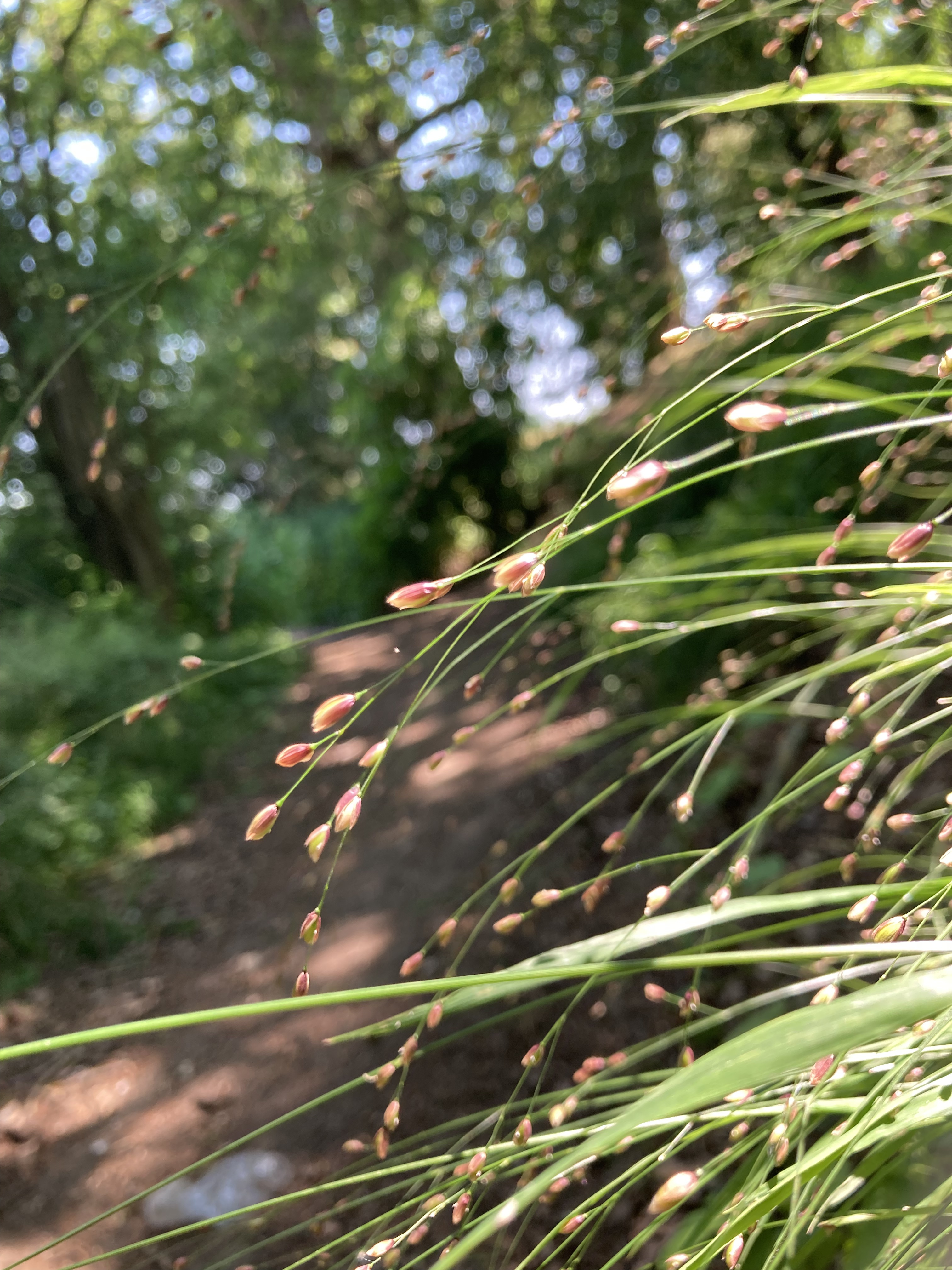
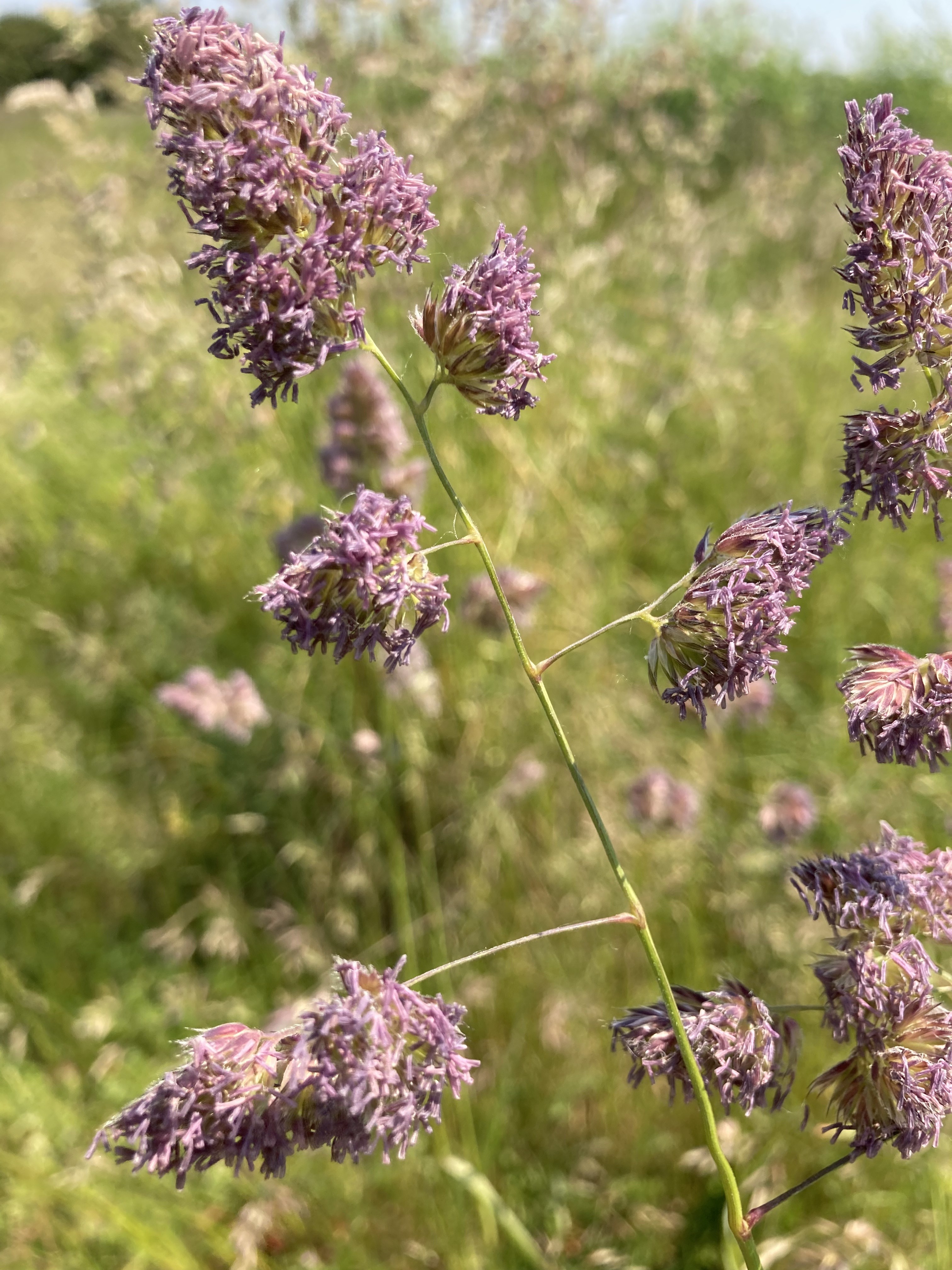
The Wood Melick brushes that delicately protrude from the side of my path and then once onto the newly mown and difficult to walk on fieds, the purple Orchard Grass catches my eye in the thick patches of wild that have been left.

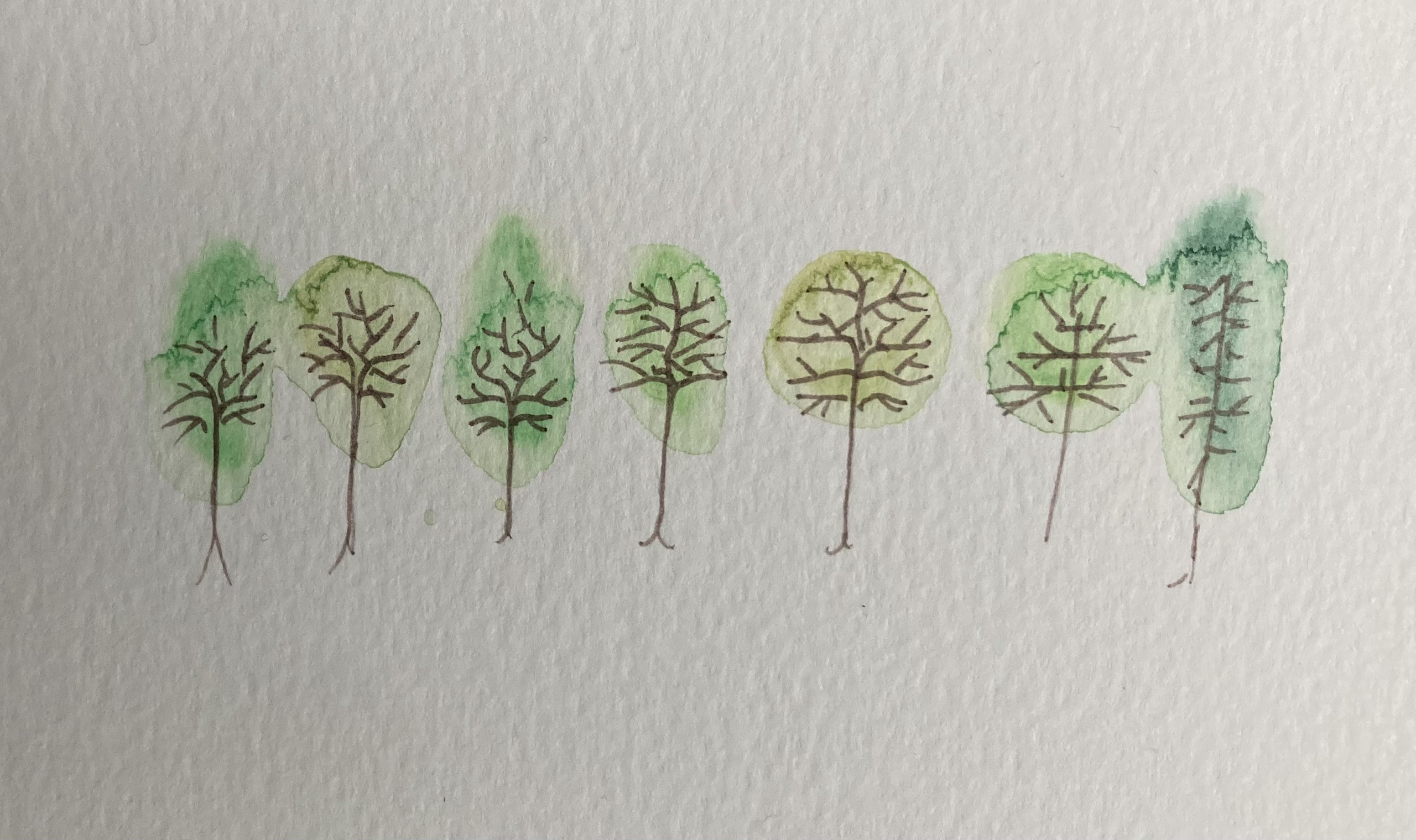
Then there are my favourite trees, well, some of my favourite trees, I have several…I’ll stop now.

Art Journaling

Page in Progress (2022)

I have started an art journal so I can keep in one place all the art I am making in the name of looking after my own physical and mental wellbeing. I walk a lot and I don’t know about you but my phone is full of photographs of interesting things I noticed my walks such as a bindweed that I didn’t know could be pink and white striped, or a dandelion that looks different to yesterday’s dandelion that you also took a picture of. I have also been making art while preparing for and teaching art for wellbeing and have botanical drawings and Zentangle inspired pieces. As I have produced these works, I have placed them in my sketchbook along with flowers that are pressing nicely in the back pages. By keeping the pieces together in a sketchbook, naturally, a journal develops.

My art journal will contain art, not backgrounds for art (even though the art may be used as a background), preparation for art, not writings about art, not evaluations or process records or photographs of art…just my art.

oh, and it will never be considered finished, always a work in progress.

The Art of Wellbeing

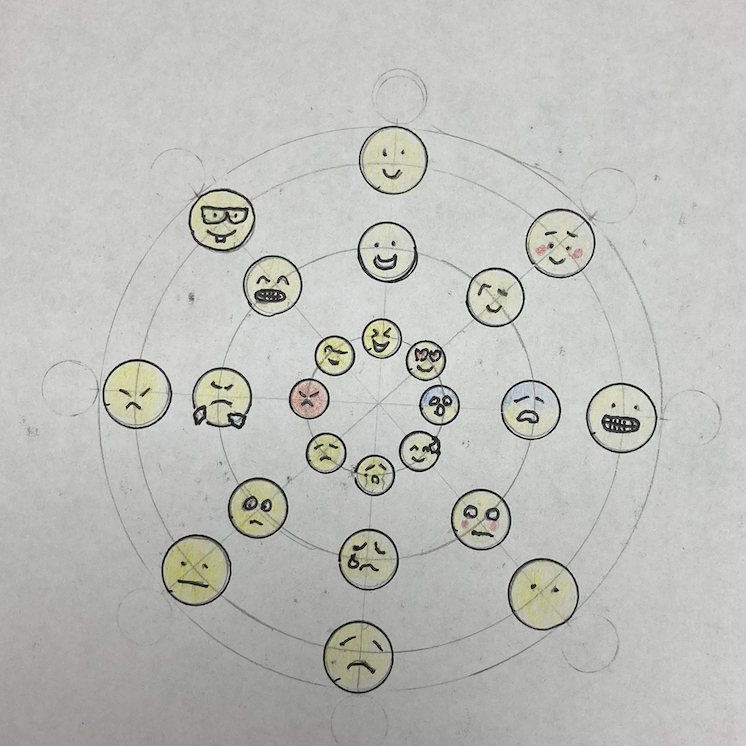
Emotional Wheel (2022) Samantha Humphreys

Some while back now I started facilitating daily drawing challenges as a way of both doing something useful in lockdown and providing people with an activity while being indoors. I had to make these sessions appropriate for doing at home with limited resources without the need to buy any special equipment. I posted these sessions on @writtleart on Facebook and wrote about them on this blog.

Two years on, I want to examine what impact art and creativity has on mental health and wellbeing, particularly post pandemic when we have all had a chance to reflect on why nurturing and exercising the mind is as beneficial as watching what we eat and burning fat. After also working with the charity Blesma early in the pandemic running online drawing sessions for their members, I was keen to continue to engage those that don't usually consider themselves 'artists' with art. As a result of this I have started running art and wellbeing sessions at the University College where I work for staff and students. This is currently embedded in an undergraduate cross disciplinary module but will exist on its own from the summer. During the first workshop, we had to create an emotion wheel. This could be made in any way, but it had to show a variety of real emotions for the creator. Participants were encouraged to look up examples, however, creativity soon began resulting in some interesting outcomes with descriptive visuals and others that were more abstract. While most of us used different colours, the creator of Fig 1 took a more abstract and less personal approach using emojis to demonstrate how they were feeling which I think makes a powerful piece of work nonetheless. My own approach, which is a work in progress, a 'revolving' wheel I could call it in fact, was to begin with the main emotions that we expect to feel and around those, add in 'micro-emotions'. I had some feedback asking why the word 'sceptical' is on the 'bad' side of the wheel because surely it's good to be questioning. Maybe my word there should be 'mistrustful' then? I will revisit my wheel soon. Fig 2 is beautifully heavy in bold colours, is very clear on the use of colour association with moods and emotions. This artist also started with the most prominent emotions/feelings and then scratched into the oil pastel rays around the edge demonstrating the outpouring of emotions that radiate from those inner feelings. We will have another session on emotion wheels in April for a longer period as I think its an activity that will develop more naturally if given the time. On Wednesday this week, our session will be What can we learn about ourselves by drawing a tree? Trees feature often in contemporary art, Tacita Dean's Majesty (2006)focuses our attention to the importance of the tree in the landscape by painting out the background. With the devastating deforestation of our planet, artists will no doubt be commenting on how we need to protect trees more than ever. But that's for another day.
Fig 1
Fig 2

A Big Fat Metaphor


Inspired by a recent mini task on the course I teach on where the students had to bring along a photograph and an object that holds meaning and has impact on their art practice.

The first image is a print I made a few years back, it is my Nans block of flats. At the time of making this piece, my Nan still lived there, and I was starting to think that one day, I would never visit there again. Over lockdown, my nan has become unable to live there alone and has moved into a care home.

As this is all happening over 200 miles away, she has turned 90 over lockdown with only socially distanced visits from family living nearby (thankfully most of the family live nearby) and filmed efforts and cards from the rest of us. It is now very unlikely that I will visit the flat again, however-as long as I can visit her eventually, what does that matter? I look forward to that day.

The second image is my object, it is a paperweight.

When my Grandad was alive, he was the caretaker of these flats and he had a workshop downstairs which was filled with things he was repairing and other paraphernalia. I loved visiting him down in this workshop and I can still remember the smell of it. I have had this paperweight for as long as I can remember, initially it was just special as my grandad gave it to me, for a long time I didn’t even know it was a paperweight it was just a fascinating colourful object-it had been thrown away by someone and he rescued it.

Later on, when I was older, I learned that the pattern I was so fascinated with had been created using a technique called Millefiori, which I taught myself with clay when I used to create dolls house food. The way it works is that you work carefully with a short fat cylinder, making it a long thin cylinder which you finally slice and somewhere inside, there is the perfect slice of orange, kiwi or hot cross bun. Thats how it works with clay anyway, I have less of an idea of how it is created with glass as in my paperweight.

I keep this paperweight on my desk, I see it every day while I’m working from home. I think of this technique as a metaphor for how art practice develops and therefore it helps me both in my art practice and my teaching practice.

As an artist, when you are developing ideas, you have all your thoughts, sketches and ideas rolled up within your fat cylinder of clay, then you carefully and thoughtfully work your way through all these ideas and sketches, teasing out the ideas but carefully preserving the whole idea which will eventually narrow down to one you will use. When you have your long thin piece, you slice away at it with care, then eventually, after much thought, somewhere inside that cylinder, you find your perfect slice of final piece which makes all the hard work worth it.

The point is, there is going to be lots of what could be considered waste at either end of the cylinder, but the final outcome would not be possible without the discarded bits that help you get there.

But also, it’s important to remember that no art is a waste and should not be discarded!


DA042815-A85B-4503-B941-F46489407DAE_1_201_a

Aspiring to Matsutake (2020 An element of the second year Developing Ideas in Art and the Environment module on the course I teach on began this semester with an extract from the book The Mushroom at the End of the World: On the Possibility of Life in Capitalist Ruins by Anna Lowenhaupt Tsing. As we (we, as in all of […]